Metabolic Disease Research Solutions
Metabolic diseases disrupt cellular energy metabolism. Obesity, diabetes, immune dysfunction, liver disease—they share a common challenge. Understanding these disruptions requires precision measurement.
Key Takeaways
- Metabolic diseases stem from disruptions in cellular energy metabolism — obesity, diabetes, immuno-oncology, and liver disease all involve dysregulation of glucose, amino acid, or lipid pathways.
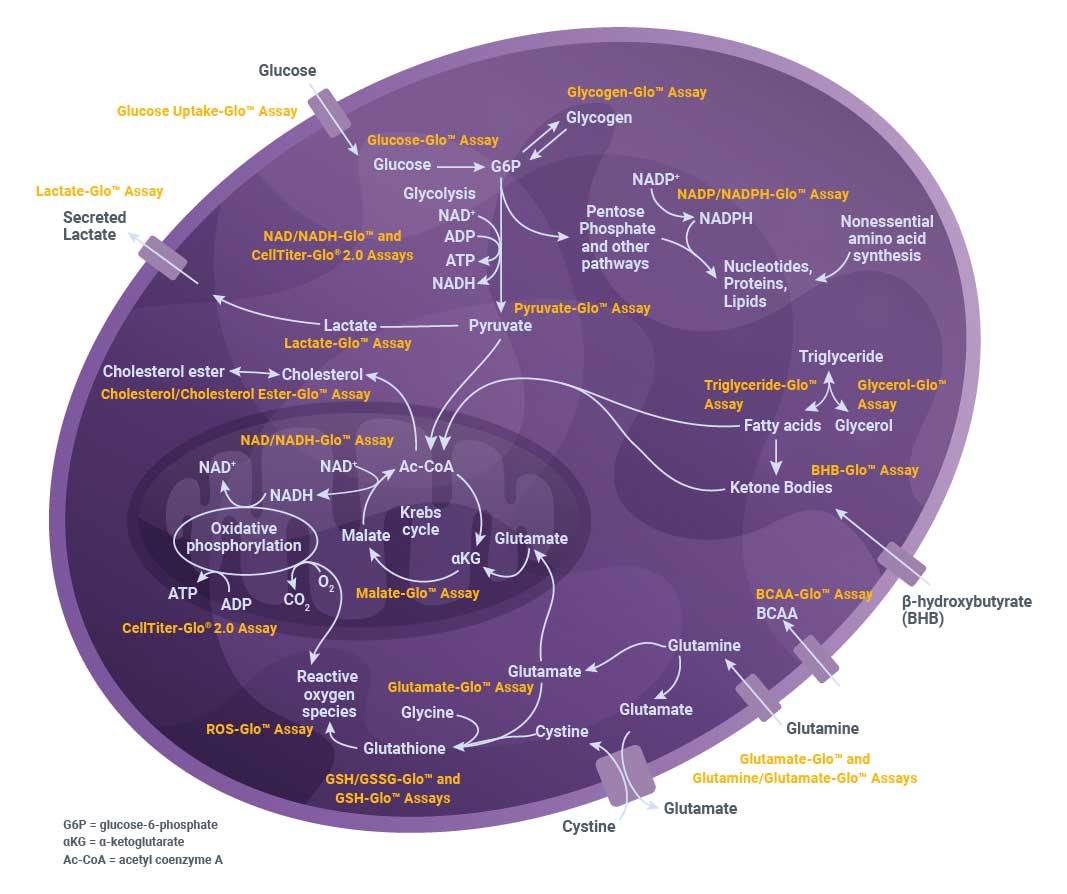
- Three metabolic pathways drive energy production: Glycolysis (glucose metabolism), amino acid metabolism (glutamine, leucine), and oxidative phosphorylation (fatty acid oxidation, NAD+ cycling).
- Bioluminescent assays measure energy nucleotides, metabolites, and lipids with high sensitivity: ATP, glucose, lactate, glutamine and glutamate, or even triglycerides. High sensitivity, fast results, and no specialized instrument required.
- Metabolic activity assays require as little as 2µl sample input, so multiple samples can be taken over a time course to follow consumption or production of glucose, lactate, glutamine and glutamate in a single sample well while a parallel well gives you an ATP viability endpoint for comparison. Read on any luminometer, including a GloMax® microplate reader.
What is a metabolic disease and how do we research it?
Metabolic diseases arise from dysregulation in cellular energy metabolism—the fundamental process cells use to produce and utilize energy.
- Obesity: Disrupted glucose and lipid metabolism, combined with hormonal and inflammatory dysfunction
- Diabetes: Impaired glucose homeostasis affecting insulin secretion and glucose uptake
- Tumor and immune cell metabolism:: Altered energy metabolism in the tumor microenvironment, affecting immune activation and cancer progression
- Liver disease (NAFLD/NASH/MASLD/MASH): Lipid accumulation and lipotoxicity in hepatocytes, followed by mitochondrial dysfunction
- ATP: Quantifies viable cell number, with signal directly proportional to cells in culture
- Glucose: Sample medium across a time course to follow consumption
- Lactate: Indicator of glycolytic pathway activity
- Glutamine and glutamate: Track glutaminolysis via glutamine consumption and glutamate secretion
- NAD+/NADH ratio: Monitor cellular redox balance
- Fatty acid oxidation: Direct, plate-based measure of beta-oxidation in live cells
To understand metabolic diseases, measurement requires sensitivity, scalability, and flexibility. Promega's bioluminescent assays provide all three—enabling seamless integration with GloMax® microplate readers and automation platforms for high-throughput screening, validation studies, and mechanism-of-action research.
Obesity
How does metabolic dysfunction drive obesity?
Obesity is a multifaceted metabolic disease influenced by genetic, hormonal, and inflammatory factors. Measuring glucose consumption, lipid metabolism, and energy expenditure in adipose tissue reveals how metabolic dysfunction drives weight gain.
Learn about innovative tools for studying obesity, targeting key pathways such as GPCRs, hormone signaling, and metabolic activity.

Immuno-oncology
How does energy metabolism fuel immune cell activation?
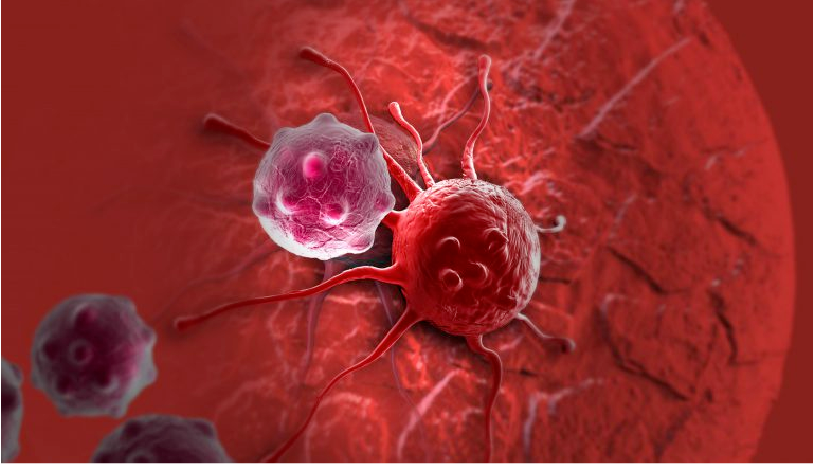
The intersection of metabolism and immune function is crucial in cancer research. Metabolic pathways—glycolysis, glutamine utilization, and oxidative phosphorylation—influence tumor progression and immunotherapy efficacy.
Discover how we support research in measuring immune cell metabolism and tumor energy dependencies.
Diabetes
How do we measure glucose homeostasis in metabolic disease?
Characterized by impaired glucose metabolism, diabetes research benefits from precise measurement of glucose consumption and ATP production in beta cells and target tissues.
We offer assays and technologies to advance understanding of how glucose sensing fails and treatment strategies.

Liver Disease
Why does mitochondrial function matter in liver disease?
As the central organ in metabolic regulation, the liver's health is vital to overall metabolism. In NAFLD and NASH, measuring fatty acid oxidation and NAD+ cycling reveals mitochondrial dysfunction.
We provide research tools to better understand hepatic metabolic pathways and develop targeted interventions.

Metabolic Activity Assays
Our bioluminescent metabolic activity assays provide a simple, sensitive way to measure cellular energy metabolism across multiple pathways. Use the diagram as a reference or select a metabolite category below to explore specific assays.
Frequently Asked Questions
It depends on your disease. Obesity and diabetes research emphasizes glucose uptake, lactate production, and lipid metabolism. Liver disease centers on steatosis and lipid accumulation in live cells, with oxidative stress as downstream markers. Immune dysfunction rests on a glycolytic shift, contrasting glucose and lactate changes with ATP and NAD+ dynamics. The metabolite categories above map to these disease pathways.
Start with your target metabolite: glucose consumption, lactate production, glycogen, ATP, NAD+/NADH ratios, amino acid turnover, or lipid metabolism through glycerol, triglyceride and cholesterol. Browse the assay categories above to find your match. If your target isn't in the ready-to-use portfolio, the Metabolite-Glo™ and Dehydrogenase-Glo™ Detection Systems let you build a custom assay using commercially available substrates, standards or dehydrogenases. Or contact us for a consultation.
Bioluminescent assays offer greater sensitivity and a wider dynamic range than absorbance or fluorescence readouts, with no radiolabel or specialized instrumentation required beyond a luminometer. Protocols are homogeneous, so reagent is added directly to the sample with no wash or extraction steps. The sample volumes required to run the metabolic activity assays are small enough that a single medium sample can be split across several assays to profile multiple metabolites from one timepoint.
Most assays are single-reagent additions read in a plate reader, with typical protocols taking about an hour. The simple add-mix-read protocols do not require wash steps or cell removal. See the technical manual for each assay for specific incubation times and multiplexing options.
Related Resources
Webinar: How to Integrate Cellular Metabolism Assays Into Your Research
Learn about bioluminescent assays for measuring key metabolites and factors to consider when designing experiments, including assay sensitivity, linear range, and sample preparation.
Webinar: Method Validation and 3D Islet Microtissues for Diabetes Research
Learn how to verify bioluminescent assay performance in 3D models, including assays to measure cell viability, apoptosis, and hormone secretion.
Blog: Monitoring Cellular Metabolism for NAFLD/NASH Liver Disease Research
In this blog, Dr. Jolanta Vidugiriene, Senior Research Scientist at Promega Corporation, discusses tools for studying metabolism in NAFLD/NASH research.Need help choosing the right kit?
Our Technical Services Scientists can help you find the right metabolic activity assay for your experiment.